
Intellectual Freedom Advocacy and Activism
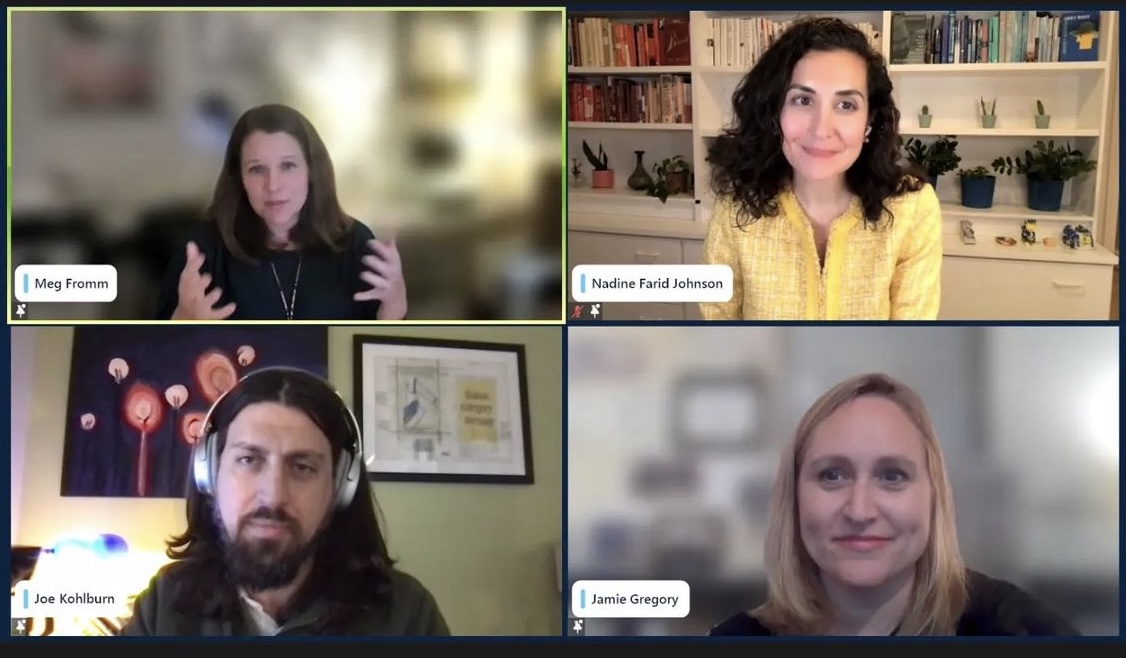
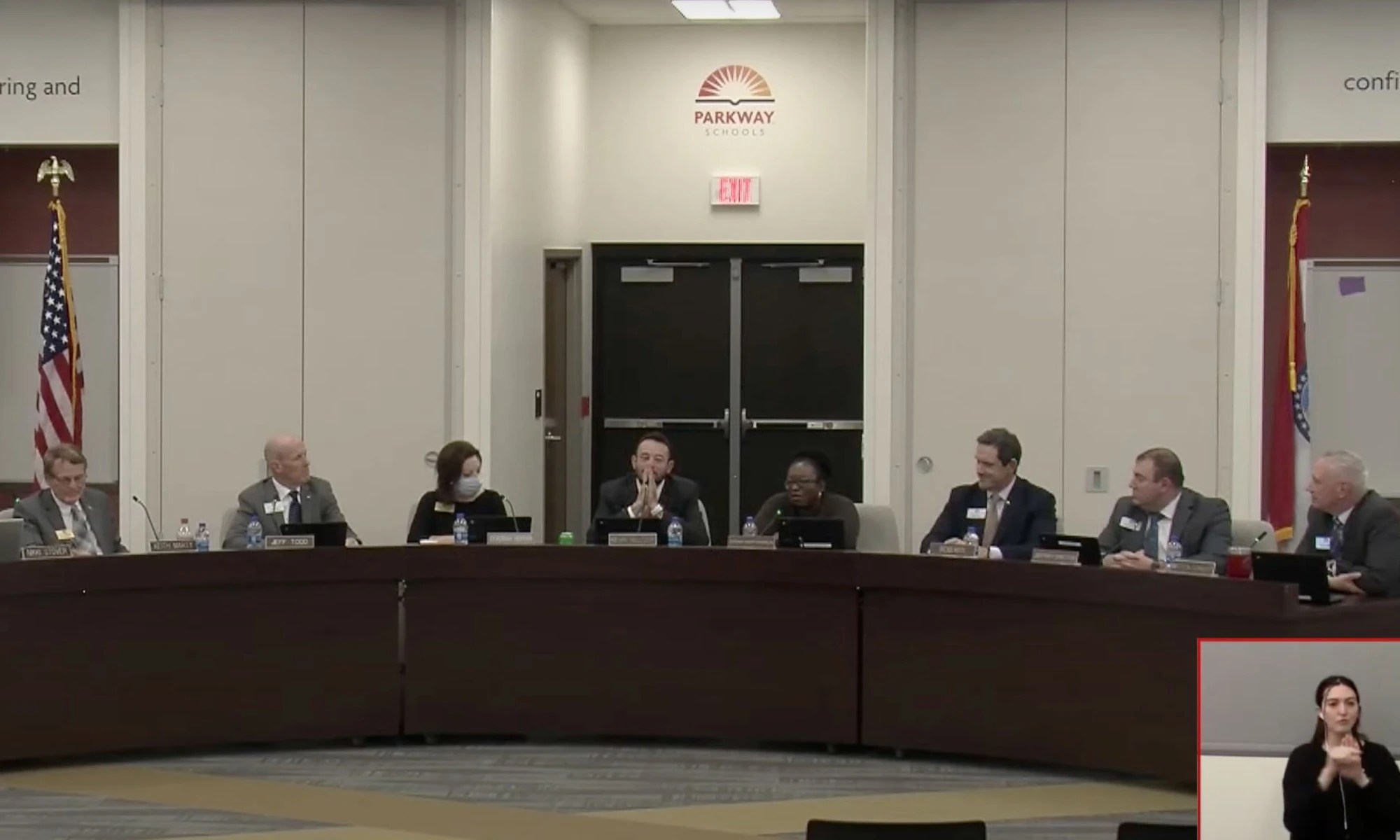
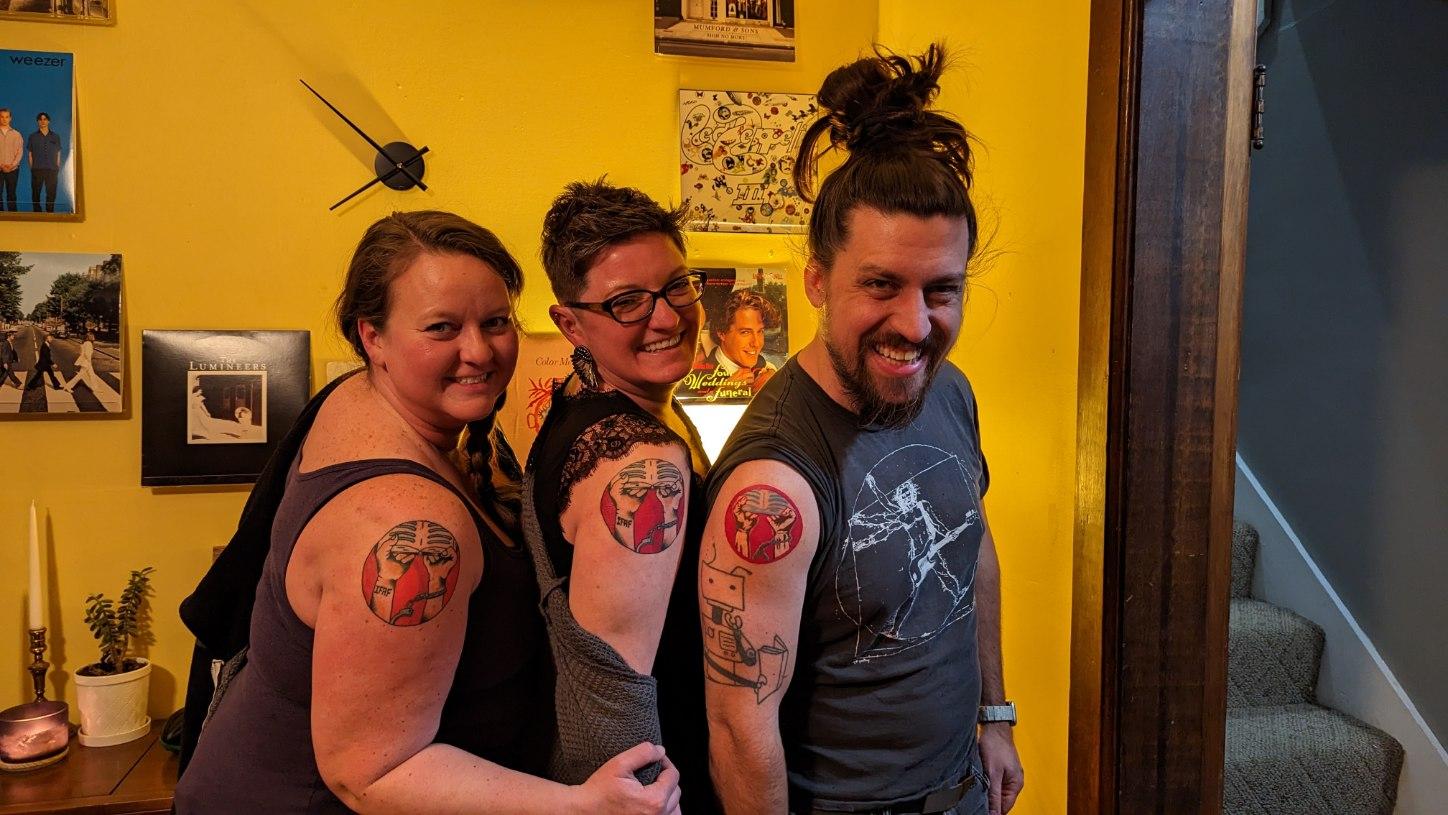
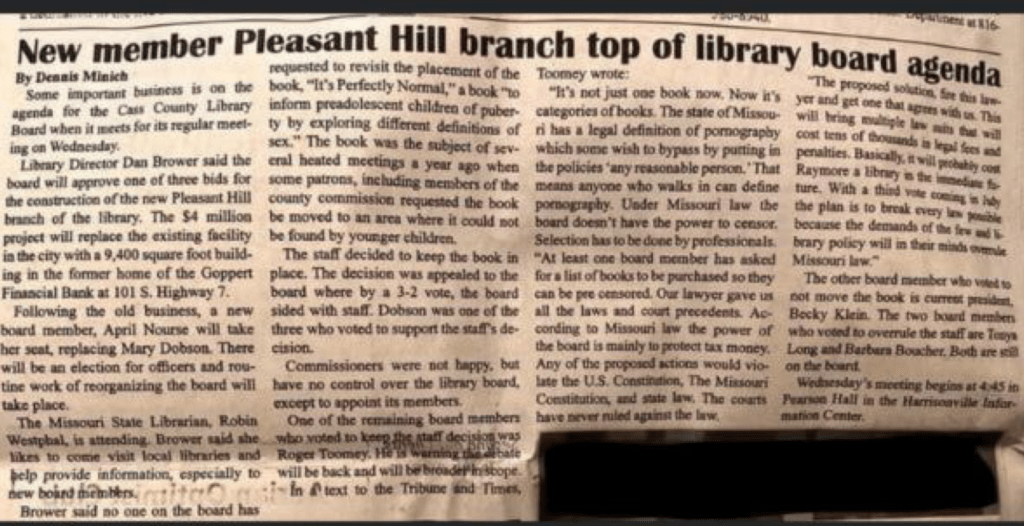
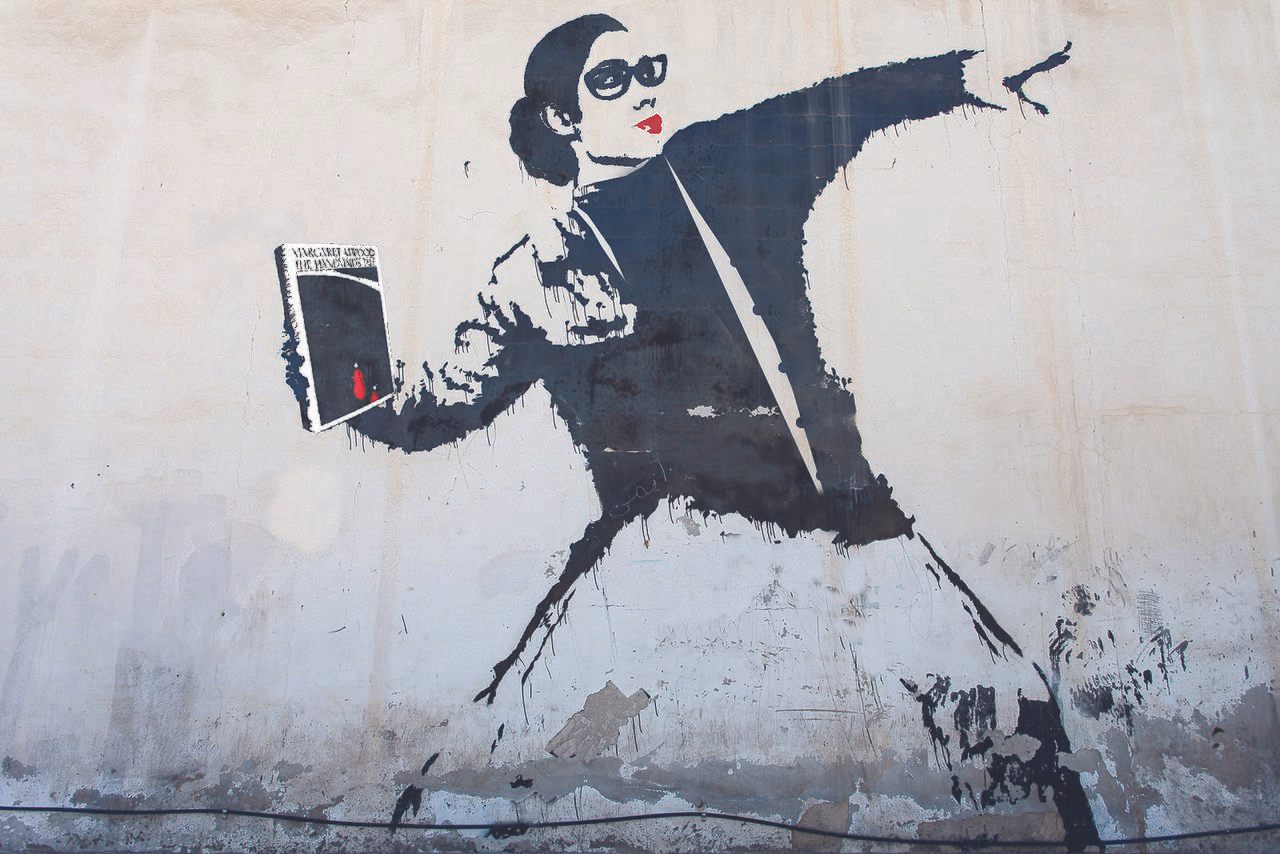
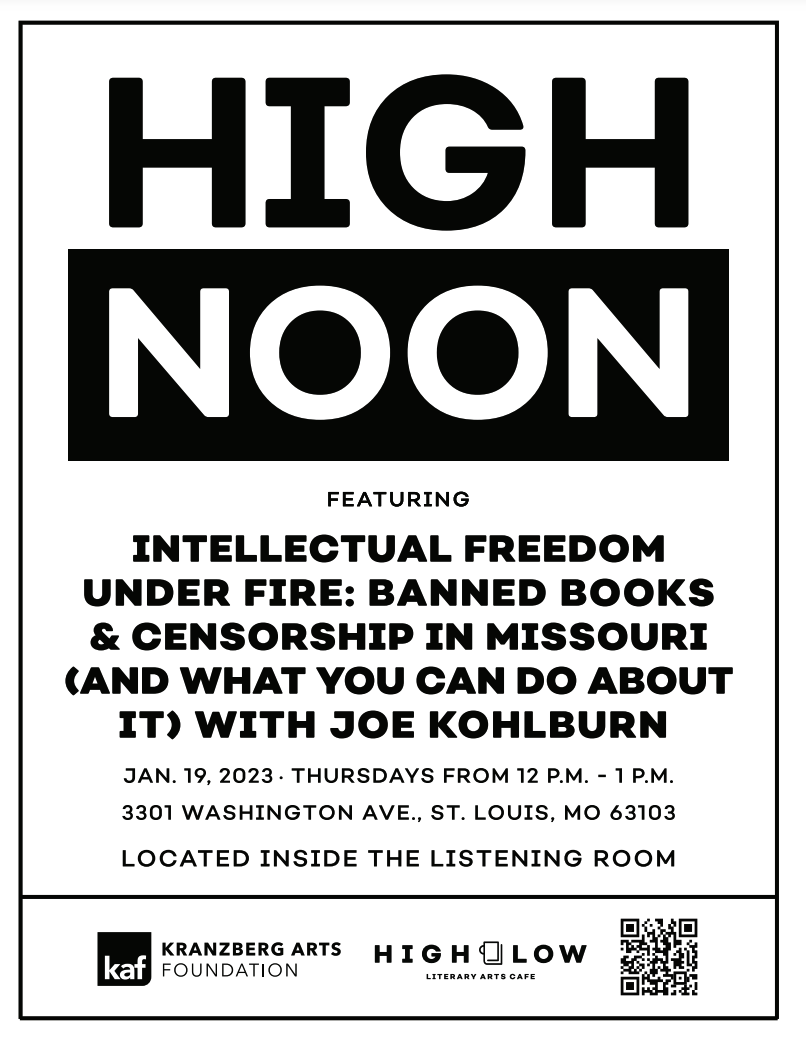
Joe’s research interests in activism, political systems, and information seeking toward social improvement is inspired by his involvement in a number of different causes. Activism in itself is a system that includes a complex constellation of relationships, political levers, common cause, and strategies to promote social and political change. Habermas’ (1981) theory of communicative action implies a system of good-faith dialectic discourse moving toward social improvement. Freedom of thought, speech, and expression are foremost in Joe’s latest work as an intellectual freedom activist and researcher. He looks at the limitations on intellectual freedom imposed by political actors, and the long-term impact of antagonistic political initiatives on the standards for inquiry and expression (Knox, 2017). Joe combines Habermas’ (1981) perhaps overly optimistic theory with contemporary understanding of social justice and political engagement based on the work of activists in related movements like those for prison and police reform, LGBTQ+ representation, and reproductive justice as well as his own lived experience. In each of the aforementioned broad causes, institutions are leveraged against populations as well as those within the same institutions (e.g. prisoners, students, women, etc) resulting in countercultural forces to reform, and at times undermine those same institutions that have grown too corrupt. Currently, his foremost activist effort is to support intellectual freedom in Missouri as a member and former chair of the Missouri Library Association’s Intellectual Freedom Committee. Joe’s work within library systems as an internal actor and advocate promotes the wellbeing of library workers and the populations libraries serve. Joe has recently composed numerous letters and statements on behalf of the MLA, MLA-IFC and co-ventures by the MLA and MASL (Missouri Association of School Librarians). Joe also engages with community members both in Missouri and across the US, including recent talks with Brooklyn Public Library’s Intellectual Freedom Teen Council, PEN America, and even local arts communities engaged with issues of censorship and intellectual freedom (High Noon Series). Joe attends board meetings, supports local librarians with training workshops, and advocates on behalf of librarian-control of information systems as an extension of his research and closely-held personal and professional ethics. Recent examples of his work are below:
Recent Presentations (See CV for complete list)
Kohlburn, J. Presentation to Intellectual Freedom Teen Council. Brooklyn Public Library. February 21, 2023.
Kohlburn, J. Intellectual Freedom Under Fire: Banned Books. High Noon Series, High Low, St. Louis, MO. January 19, 2023.
Kohlburn, J, & R. Brandel. Freedom Challenged Workshop MLA-IFC for Municipal Library Consortium, Richmond Heights, MO. November 11, 2022.
Recent Media Appearances (See CV for complete list)
Ritter, Sarah. (October 8, 2022) Handmaid’s Tale,’ ‘Slaughterhouse-Five’: KC area schools now ban these books and more..” Kansas City Star. https://www.kansascity.com/news/local/education/article266556371.html#storylink=cpy
Kohlburn, J. (2022, September 20). Librarian: Missouri book banning legislation criminalizes librarianship [interview]. Newsradio 1120 KMOX; Audacity.com. https://www.audacy.com/kmox/news/local/librarian-says-missouri-book-ban-criminalizes-librarians
Coronel, Justina. (2022, August 15). Book Bans: New Missouri law makes it a crime to share ‘explicit’ material to students. KSDK Ch 5. https://www.ksdk.com/article/news/education/missouri-book-ban-law/63-ccd45ac8-0d39-472c-b1fd-8b6f422479b9
References
Habermas, J. (1981). The Theory of Communicative Action: The Critique of Functionalist Reason (T. McCarthy, Trans., vols 1-2). Polity Press.
Knox, E. J. M. (2017). Opposing censorship in difficult times. The Library Quarterly, 87(3), 268–276. https://doi.org/10.1086/692304
 Joe Kohlburn's ePortfolio